Understanding Resistors in Circuit Design
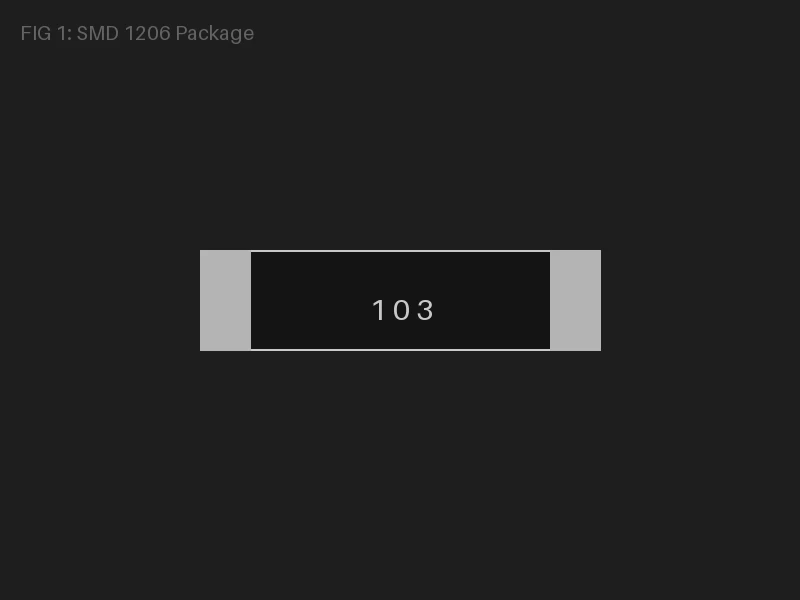
Resistors restrict the flow of electrical current. While often treated as ideal components in academic settings, real-world resistors possess parasitic inductance and capacitance.
According to Vishay's 2022 reliability report, 1% tolerance metal film resistors exhibit a temperature coefficient of ±50 ppm/°C, making them suitable for precision analog circuits, unlike carbon composition alternatives.
Key Specifications Data
| Type | Tolerance | Temp Coeff | Use Case |
|---|---|---|---|
| Carbon Film | 5% | -500 ppm/°C | General purpose, low cost |
| Metal Film | 1% or better | ±50 ppm/°C | Precision analog |
| Wirewound | 1% - 5% | ±20 ppm/°C | High power dissipation |
Frequently Asked Questions
What happens if I exceed the power rating?
The resistor will heat up, its resistance will shift permanently out of spec, and it may eventually burn open, potentially damaging the PCB.
Why use a 0-ohm resistor?
They are used as jumpers on single-layer boards or for configuration/selection on automated assembly lines where wire jumpers are difficult to place.
Related Resources
- Understanding resistor specifications
- Selecting the right capacitor
- Diode forward voltage limits
- Bjt vs mosfet tradeoffs
- Applying ohm's law
- Kirchhoff's circuit laws
- Digi-key vs mouser comparison
- Custom pcb manufacturing
- Basic soldering techniques
- Multimeter troubleshooting
- Component selection guide
- Electronics theory fundamentals
- Circuit calculation tools
- Component sourcing strategies
- Practical electronics guides
- Institute for electronics homepage
- Resistor color code calculator
- Ohm's law calculator
- Voltage divider tool
- Pcb trace width calculator
- Led series resistor calculator